
12 AI Meditation Music Prompts for Guided Sessions and Calm Backgrounds
Use 12 practical AI meditation music prompts for guided meditation, breathwork, yoga, body scans, sleep wind-downs, and sound-bath backgrounds.
Meditation background music should support the practice without demanding attention. A useful prompt describes the session, sound palette, movement, narration space, and ending. The examples below avoid medical claims and focus on production choices you can hear and revise.
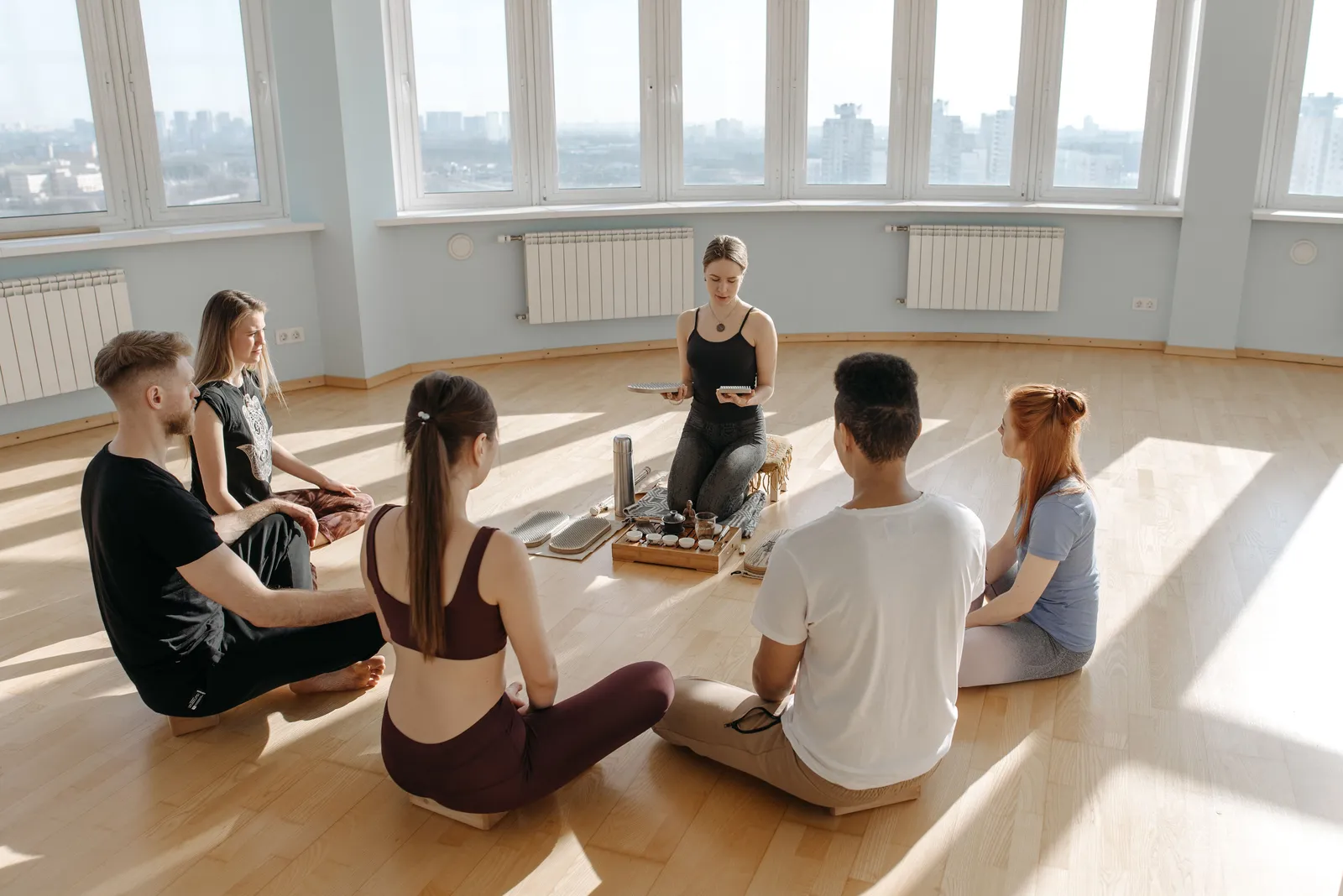
Choose the meditation format before the sound
Guided meditation, breathwork, yoga, and an unguided soundscape need different arrangements. Defining the format first makes tempo, density, and transitions easier to control.
- Guided meditation: low-density music with no prominent lead melody beneath speech.
- Breathwork: a steady, gentle pulse that follows the intended breathing pace without sharp accents.
- Yoga or movement: slightly clearer rhythm and smooth energy changes between sections.
- Unguided practice or wind-down: slower development, longer textures, and a planned ending or loop point.
A reusable AI meditation music prompt formula
12 meditation music prompt examples
Guided mindfulness and breathwork
Examples 1–3
1. Guided mindfulness background, calm and neutral, warm evolving pads with occasional soft piano notes, very low density, no lead melody, no drums, leave clear space for continuous narration, smooth fade. 2. Ten-minute breathing practice bed, soft air textures and a quiet rounded pulse, slow even movement, no sharp attacks, no vocals, keep the center frequency range sparse for the guide’s voice. 3. Short grounding exercise background, warm drone, muted wooden tone and subtle room ambience, steady low energy, no dramatic rise, clean gentle ending after the final spoken instruction.
Yoga, body scan, and gentle movement
Examples 4–6
4. Slow yoga warm-up background, soft handpan texture, airy pad and restrained low percussion, flowing but not sleepy, gradual eight-bar transitions, instrumental, no vocals. 5. Guided body-scan music bed, deep warm drone, sparse felt-piano notes and distant soft chimes, minimal movement, no rhythmic surprises, leave long quiet gaps under narration. 6. Restorative yoga closing track, warm ambient strings and soft bowl overtones, very slow development, no beat, no bright high-frequency hits, long natural fade.
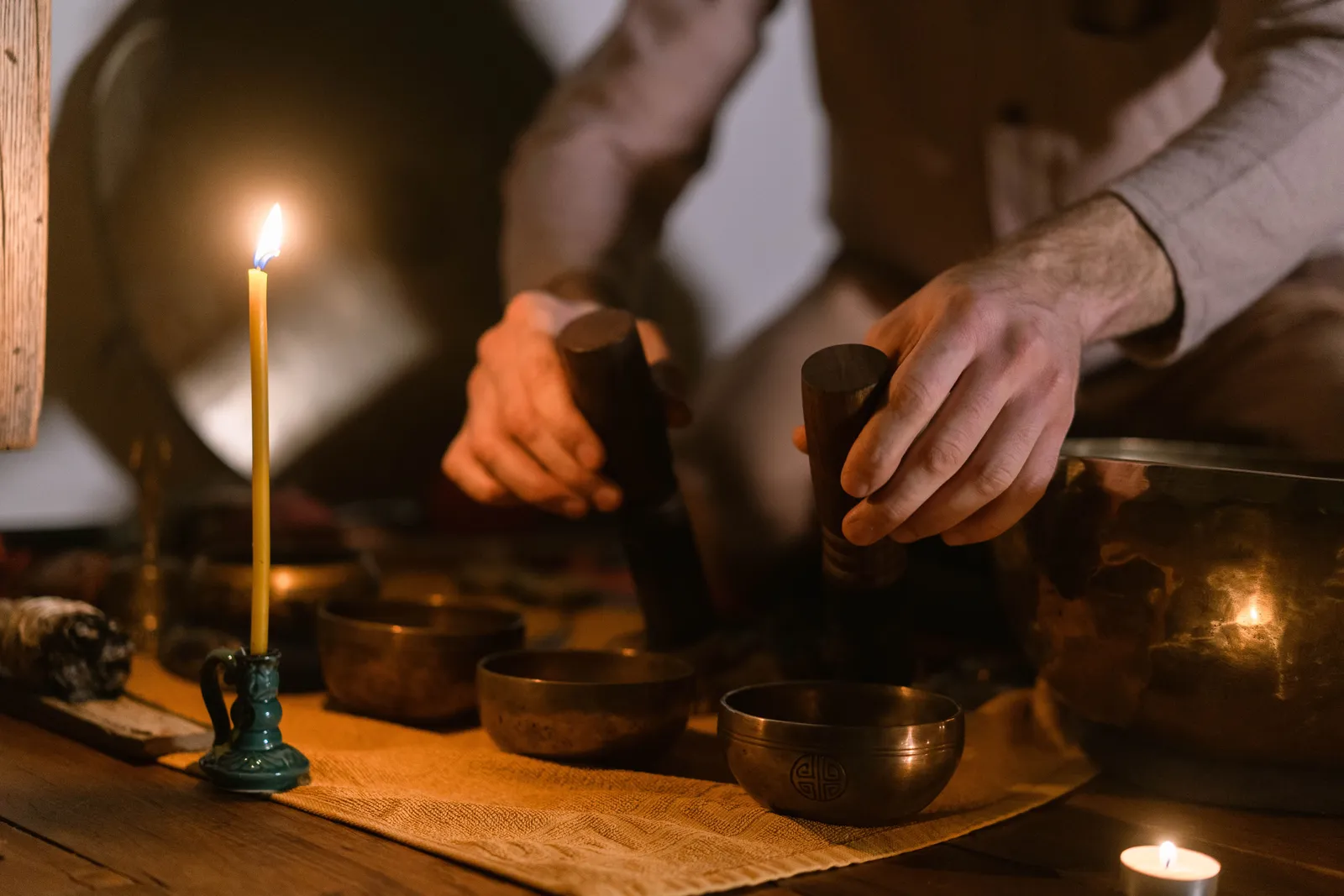
Sleep wind-down and evening relaxation
Examples 7–9
7. Bedtime wind-down background, dark warm pads, soft low drone and gentle noise texture, extremely slow movement, no percussion, no vocals, avoid sudden changes, gradual fade to near silence. 8. Calm evening reading soundscape, mellow electric piano, warm ambient bed and barely audible pulse, low dynamics, simple harmony, no hook, seamless middle section for extension. 9. Quiet nighttime breathing track, soft ocean-like texture without literal sound effects, slow swells, stable volume, no bells or bright transients, instrumental and spacious.
Sound-bath textures, nature moods, and loops
Examples 10–12
10. Minimal sound-bath background, low singing-bowl overtones and warm sustained drone, very sparse strikes with long decay, no melody, no vocals, gentle ending without a final hit. 11. Forest-inspired meditation soundscape, soft wooden tones, airy ambience and distant water-like texture, calm organic movement, no literal bird calls, no drums, loop-friendly middle. 12. Five-minute meditation timer background, warm pad and one soft bell only at the opening and ending, stable quiet center section, no voice, no percussion, clean final decay.
How to refine a meditation music prompt
- 01
Map the practice
Note the total length, where spoken guidance begins, and whether the music must fade, stop, or loop.
- 02
Limit the sound palette
Choose one sustained texture and one or two supporting sounds rather than listing every calming instrument.
- 03
Listen for distraction
Check for bright hits, busy melodies, abrupt chord changes, or volume jumps that pull attention away from the practice.
- 04
Revise one issue
Change only density, brightness, pulse, transition speed, or ending, then compare at the same volume.
Common meditation music prompt mistakes
- Using a catchy lead melody underneath continuous spoken guidance.
- Combining too many bells, bowls, nature sounds, and pads in one prompt.
- Requesting calm music without specifying movement, density, or transitions.
- Making health, healing, frequency, or sleep guarantees that the audio cannot substantiate.
Frequently asked questions
Should meditation music have a beat?
It depends on the practice. Gentle movement or breathwork may benefit from a quiet, steady pulse, while a body scan or spoken meditation often works better without an obvious beat.
How do I keep music from covering guided narration?
Ask for low density, no lead melody, soft attacks, and space in the middle frequency range. Test the music with the actual voice recording before publishing.
Can meditation music be looped?
Yes, but specify a stable middle section with no dramatic transition. Listen across the join to check for a click, volume jump, or unresolved chord.
Related guides
30 AI Instrumental Music Prompt Examples by Use Case
A broad prompt library for creating music without vocals, with a reusable formula for controlling mood, instruments, pace, and arrangement.
WorkflowsHow to Write AI Music Prompts Without Vocals
A focused workflow for getting instrumental results without conflicting lyric or singer instructions.
Prompts20 Background Music Prompt Examples for Videos
Video-focused prompts designed around narration space, edit points, pacing, and a clear arrangement arc.
Try these AI music tools
Start creating